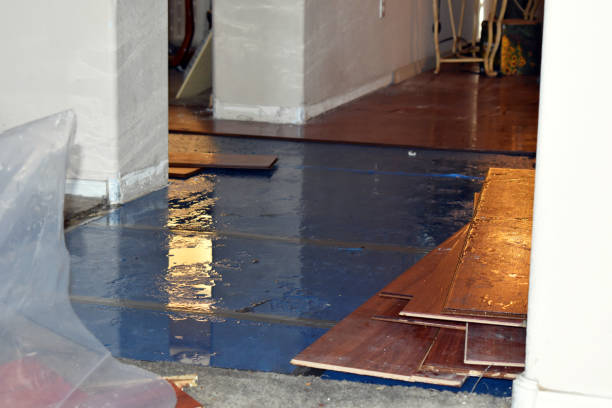
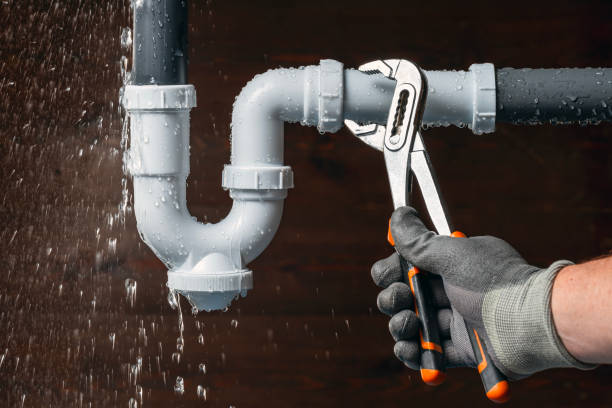
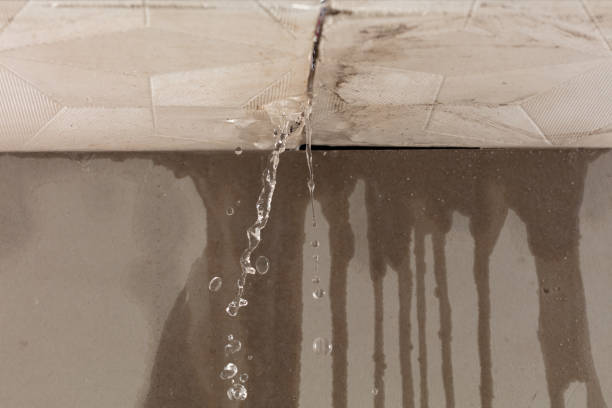
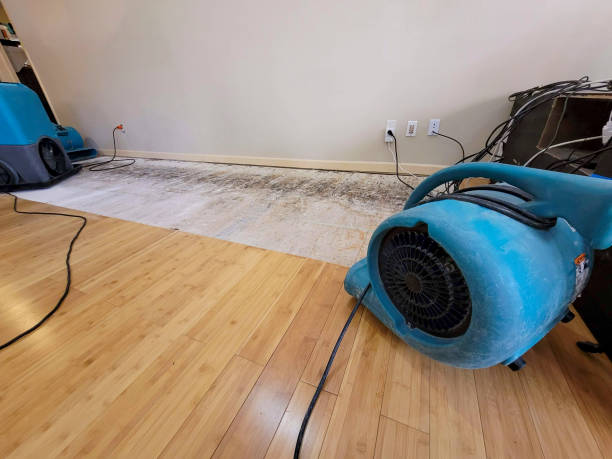
High-wind storms push water into places a normal rain never reaches. Our Storm Water Damage Restoration process is built to trace and address every entry point, not just the obvious one.
Call +1-844-833-1325 Now
Wind-driven rain enters a structure differently than a vertical downpour, pushing through seals, vents, and roof penetrations that a normal rain would never test, which is why we check spots a standard leak inspection would skip.
None of this is unique to a big loss either — the same standard applies whether it's a single-room storm water damage restoration call or a larger one.
These four things matter together, not in isolation — certification, speed, honest pricing, and the right equipment are what actually change the outcome of a storm water damage restoration call.
None of these standards are unique to us in theory, but they're worth confirming before you let anyone start storm water damage restoration work on your property.

Storm damage often has more than one water entry point, and we look for all of them.
Crews scale up during widespread storm activity instead of leaving customers in a long queue.
Emergency tarping stops additional water intrusion while the full restoration plan comes together.
Storm claims often face extra scrutiny, so our documentation is built to hold up.
Every piece of storm water damage restoration work below follows the same documentation standard, whether it's a small job or a larger one.

Wind-driven rain often enters through roof damage invisible from the ground, so we check the attic directly.
We check areas a normal rain wouldn't reach, since wind pressure changes how water enters a structure.
Temporary tarping stops ongoing intrusion while the full restoration scope gets assessed.
Debris removal happens alongside water extraction when a storm brings both into the property.
Storm events often affect multiple rooms at once, so drying equipment scales to match.
One contract covers storm cleanup through the final repair, not separate vendors for each phase.
This is the same sequence every storm water damage restoration job follows, regardless of size.
Dispatch gathers just enough detail to load the right equipment before the truck leaves.
The truck that arrives is stocked specifically for Storm Water Damage Restoration jobs, not a generic handyman setup.
A technician assesses the scope on-site and provides a written flat-rate quote before any work begins.
A job isn't closed on a visual check — it's closed on a verified reading.


"Emergency tarping stopped the intrusion the same day they arrived."
Denise M., Aniwa"Our office had wind-driven rain come through window seals and they extracted it before it spread further."
Angela F., Aniwa"They found water entry points in two different spots, not just the obvious one."
Melissa C., Aniwa"After the storm they checked our attic before we even mentioned a possible roof issue, and found the actual leak."
Owen D., AniwaIf your question about storm water damage restoration isn't covered here, call +1-844-833-1325 and we'll walk you through it directly.

Aqua Guard Water Damage dispatches storm water damage restoration crews throughout Aniwa and the surrounding zip codes, including 54408.
Whether your address sits in the city core or a neighboring zip code, the same storm water damage restoration response standard applies.